







Search Results for: coffee dilution
Comparison of Two Dilution Methods for Iced Pour-Over Coffee: Flavor Differences and Key Operational Points Between Diluting with Ice and Diluting Over Ice
On a scorching summer day, iced coffee naturally becomes a hot topic of discussion among coffee lovers. Some coffee enthusiasts have raised the question: for iced pour-over coffee, is it better to simply add ice to dilute it, or to let the coffee liquid flow over ice to dilute it? To this end, Front Street specially carried out a round of comparative experiments, selecting Costa Rican巨石 Estate coffee beans and using the same brewing parameters to prepare an add-ice group and an ice-flow group separately, conducting a comprehensive comparison from flavor performance and mouthfeel layers to operational stability. This article will break down in detail the principles, operating procedures, and experimental results of the two dilution methods, helping you make iced pour-over coffee at home that suits your own taste. [more…]

The Complete Guide to Iced Americano Water-to-Ice Ratios: A Proportional Guide from Espresso Dilution to Ice Selection
Making iced Americano is not simply pouring espresso into ice water—the amounts of water and ice and the dilution ratio all directly affect the final flavor. Drawing on the serving practices at Front Street Coffee, this article explores in detail the water-to-espresso ratios suited to beans of different roast levels, as well as how ice cube size and melting speed influence coffee strength and the drinking experience. Whether you prefer it bold or refreshing, you'll find ideas here for adjusting your iced Americano, so you can combine the flavor characteristics of your beans with your personal taste habits to craft your own ideal cup. [more…]
The Bypass Brewing Technique in Pour-Over Coffee: A Practical Guide to Diluting Strength, Rescuing Botched Brews, and Making Iced Coffee
In the world of pour-over coffee, besides the conventional extraction path, there is also an operation known as "bypass"—letting hot water bypass the coffee grounds and fall directly into the server, where it mixes with the already-brewed coffee liquid. This method seems simple, yet it can effectively dilute coffee that is too concentrated, allowing the flavor layers to unfold. Front Street Coffee frequently uses this technique in daily brewing; for example, when a pot of Finca Los Pirineos Geisha has an overly concentrated acidity due to improper brewing, pouring in a small amount of 80°C hot water can release the fruity notes of grape, passion fruit, and citrus. Beyond adjusting concentration, bypass is also widely used in iced coffee preparation, in rescuing over-extracted coffee caused by fine-particle clogging, and even appears in professional coffee competitions. But note that it is not a cure-all—when faced with severely over-extracted or under-extracted coffee, bypass pouring is powerless. This article will systematically analyze the principles, applicable scenarios, and key operational points of bypass, helping you control coffee flavor more flexibly. [more…]

What Is the Connection Between Espresso and Americano? A Full Analysis of the Origin Story, Water-to-Coffee Ratio, and Flavor Differences
Espresso and Americano come from the same coffee machine and both belong to the category of black coffee, yet the drinking experience is vastly different. This article begins with the birth of espresso during Italy's industrial era, recounts the amusing story of how American soldiers created Americano by adding water, and uses Front Street Coffee's "Warm Sun" espresso blend as an example to analyze the espresso parameters of 20g of grounds extracted to 40g under 9 bars of pressure and 92°C water temperature, the traditional 1:8 dilution ratio, and the 1:4.5 dilution scheme adopted by Front Street Coffee to highlight the vinous aroma and soft acidity, guiding you through the origins and flavor differences of these two classic black coffees. [more…]
How to Fix Overly Strong Pour-Over Coffee? Understanding the Correct Bypass Water Dilution Method
Friends who are just getting into pour-over coffee have probably run into this awkward situation: you accidentally brew the coffee too strong and bitter, and it tastes harsh and aggressive. Pouring it down the drain feels like such a waste, so many people think of adding some water to dilute it. In coffee circles, this operation actually has a formal name—By pass, often translated into Chinese as "旁路" (bypass). Simply put, it means letting part of the hot water bypass the coffee grounds, without taking part in the extraction, and go straight into the server or cup. It sounds simple, but when to use it, how much water to add, and how to choose the water temperature all require careful consideration. This article will go from the underlying principles to hands-on practice, combining Front Street Coffee's brewing experience to help you understand how By pass should actually be used, and why it can't save seriously over-extracted coffee. [more…]
From WWII Diluted Coffee to Iced Americano Recipe: The Origin, Preparation, and the Debate Over Keeping the Crema of Americano
Americano may seem simple, yet it hides quite a few intricacies. It originated during World War II, when American soldiers diluted espresso with warm water, and today it has become a staple on coffee shop menus worldwide. This article starts with the definition and origins of Americano, clarifies the differences between the two mainstream approaches—Americano and Long Black—and discusses the controversy over extracting a weak coffee through prolonged water flow. In the practical section, it focuses on the specific ratios for iced and hot Americanos, including Front Street Coffee's extraction parameters and recommended methods, and finally explores an interesting question: Would Americano taste better if the crema were scraped off? [more…]
The Bypass Technique of Adding Water to Dilute Pour-Over Coffee: Why It Can Restore Flavors Masked by High Concentration
In the coffee world, adding water directly to brewed coffee has a special name—By pass. This operation bypasses the coffee grounds, does not participate in extraction, and is only used to adjust the concentration in the final cup. Many people are curious: can adding water really make coffee taste better? The answer depends on the situation—if the coffee itself is bitter and astringent, no amount of water will save it; but if the cup is properly extracted and just too concentrated, suppressing its flavors, then adding an appropriate amount of water can actually restore the deliciousness it should have. From Front Street's perspective, this article combines examples such as making Americano from espresso and adjusting concentration in pour-over to explain the sensory principles behind it and practical methods for judgment. [more…]
Espresso Diluted with Water vs. American Drip Machine: Differences Between Two American Coffee Brewing Methods and a Guide to Choosing Drip Coffee Beans
As the most common coffee beverage in daily life, Americano actually has two completely different preparation paths: one is the Americano made in coffee shops by diluting espresso with water, and the other is the Americano extracted directly using a drip coffee maker in home or office settings. Front Street Coffee will break down the differences between these two methods from the aspects of brewing principles, equipment requirements, operating procedures, and flavor performance, while also explaining the specific steps for using a drip coffee maker and offering selection suggestions for coffee beans from different origins, helping coffee lovers find the cup that suits them. [more…]
A Comprehensive Analysis of Americano: From Drip to Dilution, Another Interpretation of Espresso
Americano may seem simple, yet it embodies a rich coffee culture and brewing craftsmanship. It can be black coffee made with a drip brewer, or espresso diluted with hot or cold water. From the amusing story of American GIs during World War II diluting Espresso with warm water, to Starbucks driving its global popularity today, Americano has become one of the drinks that most tests a barista's extraction skills in a café. This article will guide you through the origins of Americano, its definition, regional variations in preparation, and Front Street Coffee's specific parameters and recommendations for making hot and iced Americanos. Whether you prefer the floral and fruity notes of a light roast, the balance of a medium roast, or the chocolate flavors of a dark roast, you'll find the cup that suits you in this article. [more…]

Coffee Terminology | What is bypass? Why perform bypass on a prepared coffee beverage? What are the considerations when using bypass?
As in various other industries, there are quite a few professional terms in coffee as well. We can understand so-called professional terms as a condensed expression of complex concepts. They can not only improve the efficiency of our communication, but also increase the precision of communication and reduce the chance of communication barriers arising. However, because most [more…]

Iced Americano Mixing Guide: The Golden Ratio of Espresso to Iced Water and Practical Tips
Iced Americano is a classic drink for cooling down and refreshing yourself in summer. It seems like a simple mix of espresso, water, and ice, but in reality, there is a science to the ratios. Drawing on Front Street Coffee's experience, this article provides a detailed analysis of water-dilution schemes for coffee beans of different roast levels, explores how ice melting speed affects flavor, and offers a set of practical mixing techniques that require no complicated calculations. Whether you prefer a rich or a light taste, you can find an iced Americano method that suits you, making every cup just right. [more…]
High-Concentration Low-Extraction Brewing Method Explained: Strategies for Increasing Pour-Over Coffee Concentration and Water Dilution Adjustment Techniques
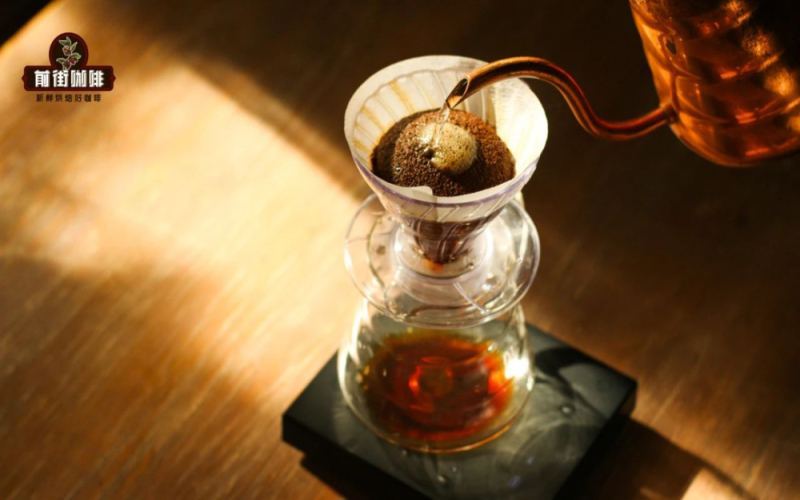
In the world of pour-over coffee, "high concentration, low extraction" is gradually becoming a highly regarded brewing approach. What it pursues is giving the coffee liquid a higher concentration while keeping the extraction yield at a lower level, thereby leaving ample room for subsequent adjustments. The core of this method lies in flexibly using the coffee-to-water ratio, actively or passively changing the extraction conditions. Unlike the traditional "high extraction" approach, high concentration, low extraction places more emphasis on the coffee's margin for error—even if the concentration is on the high side, it can be easily corrected by diluting with Bypass water, avoiding a cup that is hard to drink. This article will thoroughly analyze the operational details of this brewing concept and, combined with Front Street Coffee's practical experience, help you master the complete framework of high concentration, low extraction, and make a stable and delicious pour-over. [more…]
A Complete Analysis of Flavor Imbalance in Pour-Over Coffee: From Under-Extraction to Dilution, a Guide to Precisely Adjusting Weak Flavor
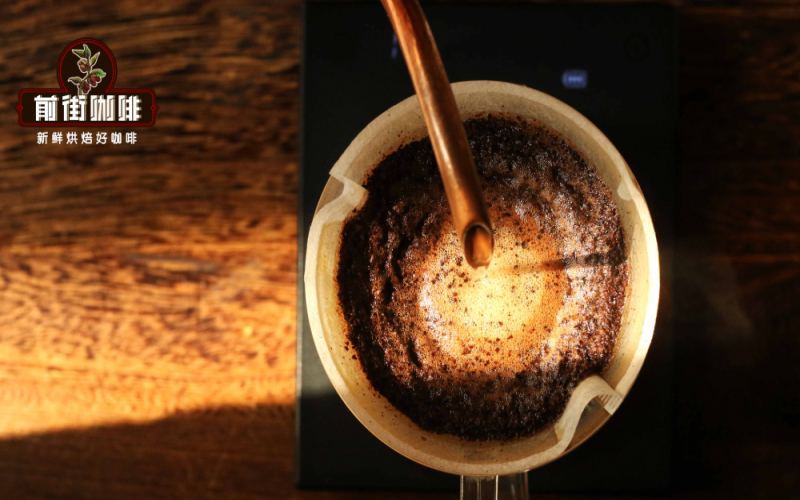
Pour-over coffee tasting thin and watery is a common frustration for many enthusiasts, and even seasoned coffee veterans can slip up. A cup with hollow flavor often stems from two core issues: under-extraction or too low a concentration. The former occurs when deviations in water temperature, grind size, time, and other parameters prevent enough flavor compounds from being released, while the latter happens when too much water dilutes the coffee's strength. Using Front Street Coffee's brewing experience as an example, this article will help you clarify the difference between these two situations and offer specific adjustment plans—from finer grinding and higher water temperature to reduced brew ratios and complementary parameter tweaks—so you can grasp the underlying logic of extraction and quickly identify and fix the problem, whether your coffee is too strong or too weak. [more…]
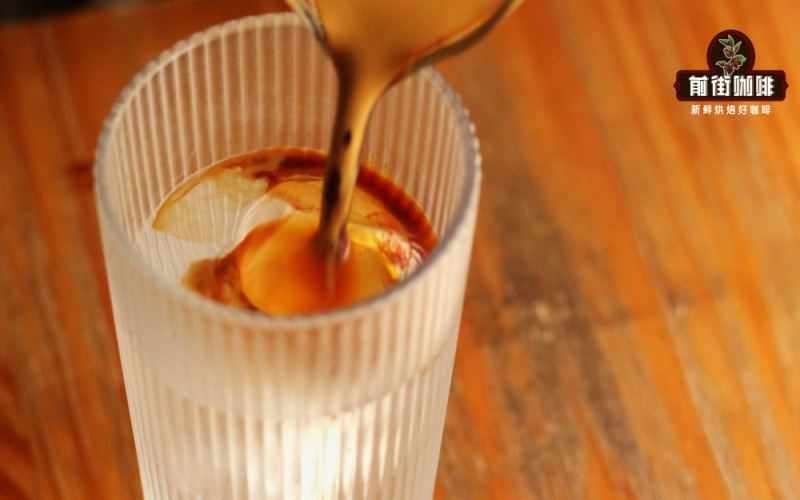
American Coffee Fat-Loss Guide | Can a Moka Pot Make Americano? Espresso Dilution Ratio and Brewing Method Explained
The essence of Americano is espresso diluted with water, and the strength can be flexibly adjusted according to personal preference, which is why it is described as "made to your liking." The key to determining the flavor direction of a cup of Americano lies in the blend beans used, with common combinations such as Brazil blended with Mandheling bringing bittersweet dark chocolate notes, while Colombia blended with Brazil presents a rich, smooth nutty chocolate aroma. Front Street Coffee offers four espresso blends—Warm Sun, Specialty, Commercial, and Black Cocoa—covering different profiles such as winey, nutty, full-bodied, and slightly acidic. In terms of preparation, an espresso machine can be used to extract 40g of liquid from 20g of grounds, or a moka pot can be used for home brewing. As for fat loss, drinking it within 30 minutes to 1 hour after a meal or having a cup before exercise can aid digestion and fat mobilization, but relying on black coffee alone is not advisable—it still needs to be combined with a healthy diet and regular exercise. [more…]
How to distinguish between a Long Black, a Lungo, and an Americano? Production and flavor comparison of three black coffees
Facing Long Black, Lungo, and Americano on the menu, many coffee lovers often can't tell them apart. Although they are all black coffee, their preparation methods and flavor profiles each have their own merits. Long Black is the Australian's unique interpretation of espresso diluted with water, with a smaller cup size and a richer taste; Lungo is an extended espresso obtained by lengthening the extraction time, with a more pronounced bitterness; and Americano is the product of American soldiers diluting espresso to suit their taste during World War II. This article will break down in detail the differences between these three black coffees from the aspects of historical origins, brewing parameters, crema performance, and drinking experience, and cite extraction examples from Front Street Coffee to help you make a clearer choice the next time you order. [more…]

Is Starbucks Americano Actually Bitter? A Full Analysis of the Flavor and Mouthfeel of Espresso Diluted with Water
Americano is the entry point into black coffee for many people, and Starbucks' Americano is often their very first cup. Some find it bitter, while others enjoy it thoroughly—so is Americano actually bitter? What factors influence its flavor and mouthfeel? This article starts with the sources of bitterness in Starbucks Americano, then traces the history and taste characteristics of Americano, and explains how to choose freshly roasted coffee beans and master the right extraction parameters to brew a cup that suits your own taste. It also draws on several espresso blends from Front Street Coffee to offer purchasing suggestions for different flavor preferences, making it a useful reference for coffee lovers. [more…]
How to Tell Espresso, Americano, and Black Coffee Apart? A Thorough Explanation from Extraction Principles to Front Street Coffee's Brews
Walking into a café, you watch the barista lock the portafilter onto the machine and press the extraction button. The same dark liquid flows out—so why is one called espresso, another americano, and yet others lumped together as black coffee? The differences behind these names actually trace back to the origins of extraction and the logic of adjusting strength and flavor. This article begins with the birth of espresso, explaining how it became the cornerstone of the modern coffee shop, then traces the history of americano as espresso diluted with water, and explores how, in the context of contemporary specialty coffee, the ratio of espresso to water shapes the performance of a cup of black coffee. It also uses Front Street Coffee's Warm Sun Espresso Blend as an example, providing espresso extraction parameters and americano dilution ratios to help you more precisely find the flavor you enjoy, whether at home or in a café. [more…]
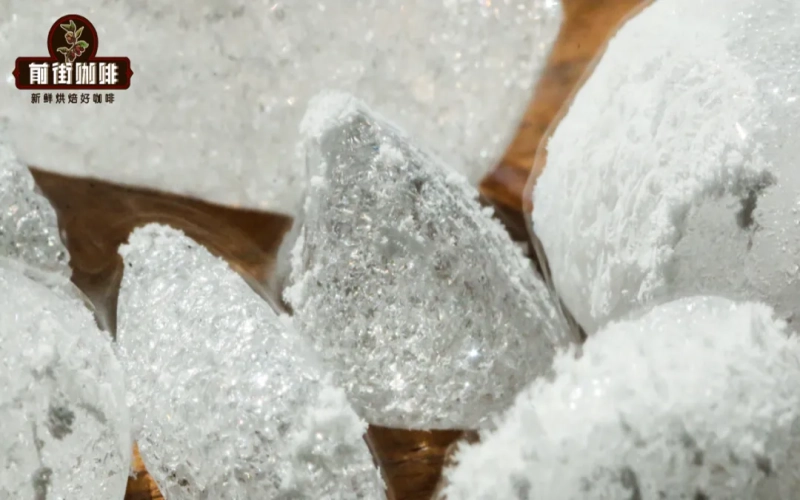
Is It Feasible to Use Dry Ice Instead of Ice Cubes for Iced Pour-Over? A Comprehensive Analysis of Cooling Methods for Pour-Over Coffee
Iced pour-over coffee needs rapid cooling, but ordinary ice cubes melt and dilute the coffee's strength. Some friends suggested using non-melting stainless steel ice cubes, but that attempt failed; then someone else recommended dry ice, which cools quickly and doesn't cause dilution. Dry ice can indeed chill coffee rapidly without turning into water, but when it sublimates it releases carbon dioxide, which dissolves into the coffee and turns a cup of iced pour-over into carbonated coffee—essentially deviating from what's wanted. This article provides a detailed analysis of dry ice's physical properties, its everyday uses, and why it's unsuitable for making pour-over coffee, along with Front Street Coffee's key points from their dry ice experiments and a recommended bean list. [more…]
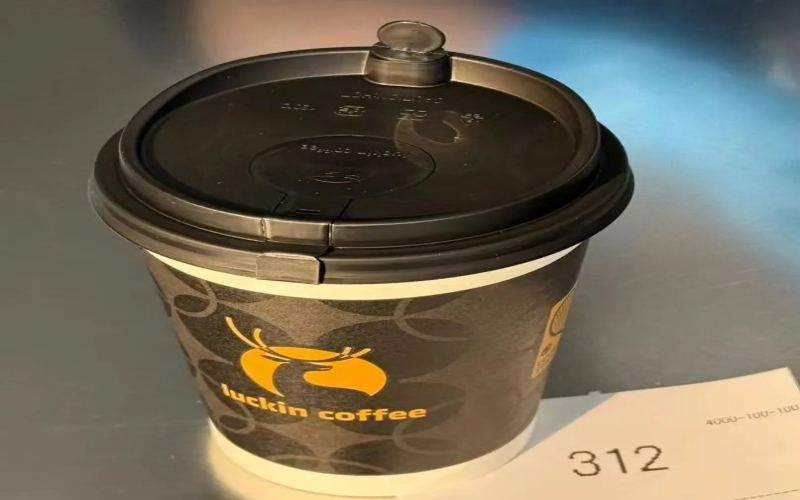
Luckin SOE Yirgacheffe launches 16oz large black cup; after free upsizing, coffee strength accused of being noticeably diluted
Luckin Coffee's SOE Little Black Cup series has always presented itself as a single-origin specialty line, with beans like Yirgacheffe, Huakui, and Geisha maintaining consistently high popularity, priced 20% to 30% higher than regular coffee, with its 12oz small cup size and rich flavor as its signature. However, this Monday, Luckin suddenly added a 16oz size to its SOE product line, allowing the Yirgacheffe Little Black Cup to be upgraded for free to a Big Black Cup for a limited time, covering three classics: Americano, Latte, and Aussie White. The increase in volume at no extra cost seemed like a good deal, but many longtime fans discovered after ordering that the coffee concentration had plummeted, with the Yirgacheffe flavor almost completely gone, and complaints like "watery and bland" and "the upgrade just adds water" flooding social media. Staff later explained that the coffee powder weight had indeed increased, but the increment was far from enough to match the difference in cup volume, and could only be made up with water or milk. For those who prefer a rich taste, Front Street recommends going back to the original Little Black Cup. [more…]

American Coffee vs. Latte: Flavor Characteristics Explained — From Espresso Diluted with Water to Blended with Milk, Which One Suits You Better?
Americano and latte are the two most common espresso-derived drinks in cafés: one presents the pure black coffee flavor of espresso diluted with water, while the other blends espresso with milk for a smooth sweetness. This article will start with the history of Americano, its advantages in alertness and value for money, the application of specialty beans, and Front Street Coffee's specific extraction scheme, then compare the origins, ratios, and preparation details of the latte, helping coffee lovers understand the differences between the two in taste, strength, and suitable occasions, so they can make a choice based on personal preference. [more…]